Protecting your vision begins with routine, comprehensive eye care. At Bohonos Eye Care, Dr. Melissa Bohonos provides personalized medical eye examinations to diagnose, monitor, and manage a wide range of eye conditions before they impact your vision and quality of life.
Your eyes can reveal much more than changes in vision. Comprehensive medical eye examinations help detect eye diseases early—often before symptoms appear—and may even identify signs of underlying health conditions such as diabetes or high blood pressure. Regular eye care plays an essential role in preserving vision, preventing complications, and supporting your overall health.
Diabetes can affect the tiny blood vessels in the retina, sometimes without noticeable symptoms. Regular diabetic eye exams allow for early detection and treatment of diabetic eye disease, helping to protect your vision.
Routine eye examinations assess your vision and overall eye health while screening for common conditions such as glaucoma, cataracts, and retinal diseases.
Preventative eye exams focus on identifying potential problems early, allowing for timely treatment before vision loss occurs.
Certain medications, including Plaquenil (Hydroxychloroquine), may affect the retina over time. We provide specialized retinal monitoring to detect medication-related changes as early as possible.
At Bohonos Eye Care, we believe eye care should be personal, thorough, and tailored to the individual. Rather than taking a one-size-fits-all approach, we look at your eye health in the context of your overall health, lifestyle, symptoms, medical history, medications, nutrition, and personal goals.
Your examination is designed around your specific needs, and recommendations may include medical treatment, lifestyle modifications, nutritional considerations, preventive strategies, and appropriate follow-up testing. Our goal is not simply to identify an eye condition, but to help you understand your eye health and develop a comprehensive plan for protecting your vision long term.
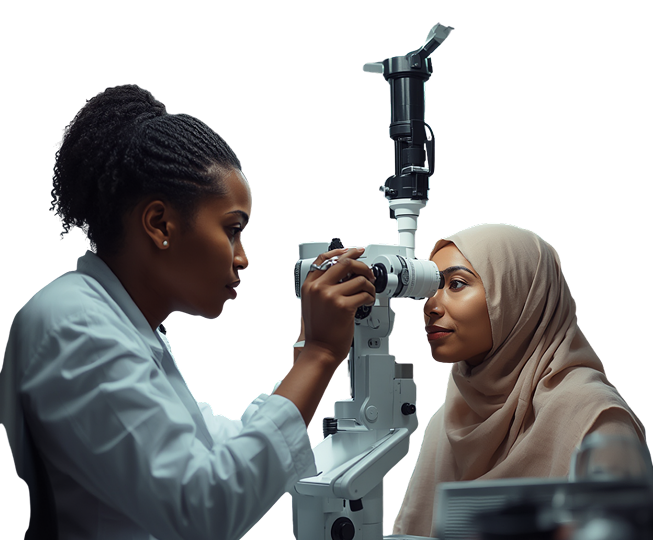
A holistic eye examination combines a comprehensive medical eye evaluation with a broader look at factors that may be affecting your vision and eye health. In addition to examining the eyes themselves, we may discuss your general health, sleep, stress, medications, diet, screen use, work environment, and other lifestyle factors.
Depending on your needs, your examination may include eye pressure measurement, evaluation of the retina and optic nerve, glaucoma testing, dry eye assessment, and advanced imaging. We then use the information from your examination to create personalized recommendations rather than simply treating an isolated symptom.
Absolutely. The eyes can be affected by many conditions throughout the body, including diabetes, high blood pressure, autoimmune disease, hormonal changes, inflammation, and certain nutritional deficiencies. Medications and lifestyle factors can also influence symptoms such as dryness, eye strain, and fluctuating vision.
For this reason, we consider your overall health when evaluating your eyes. In some cases, findings during an eye examination may even provide important clues about broader health concerns.
Not necessarily. Being a glaucoma suspect means that one or more findings suggest you may have a higher risk of developing glaucoma. These may include elevated eye pressure, the appearance of the optic nerve, family history, corneal thickness, or changes seen on imaging or visual field testing.
Because glaucoma can progress without noticeable symptoms, careful monitoring is important. As a glaucoma fellowship-trained ophthalmologist, Dr. Bohonos evaluates multiple factors rather than relying on eye pressure alone and develops an individualized monitoring or treatment plan based on each patient's level of risk.
Lifestyle cannot replace appropriate medical treatment, but your overall health can play an important role in maintaining healthy eyes. Factors such as blood pressure, blood sugar control, exercise, sleep, smoking, nutrition, medication use, and overall cardiovascular health may influence eye health.
When appropriate, we discuss practical lifestyle and nutritional strategies alongside traditional medical care. Recommendations are individualized because what is helpful for one patient may not be appropriate for another.
Yes. Dry eye disease has many possible causes, including inflammation, problems with the oil-producing meibomian glands, hormonal changes, medications, environmental exposure, prolonged screen use, and certain medical conditions.
Rather than simply recommending artificial tears, we try to identify the underlying contributors to your symptoms. Treatment may include changes to your daily routine, eyelid care, nutritional or environmental recommendations, prescription therapies, or in-office treatments when appropriate. The goal is to create a treatment plan that addresses the cause of your dry eye as well as the symptoms.
There is no single examination schedule that is right for everyone. How often you should be seen depends on your age, family history, general health, medications, lifestyle, and whether you have conditions such as glaucoma, diabetes, dry eye disease, or cataracts.
After your examination, we will recommend a follow-up schedule based on your individual risk factors and eye health. Our focus is on prevention and early detection so that potential problems can be addressed before they significantly affect your vision.
Specialized glaucoma diagnosis, monitoring, and long-term management from a fellowship-trained glaucoma specialist.
Learn morePersonalized dry eye treatment plans utilizing advanced therapies, including OptiLight IPL and OcuGraft technology
Learn moreBohonos Eye Care provides comprehensive lens and glasses exam for both adults and children.
Learn moreVirtual consultations providing expert ophthalmology guidance, second opinions, and ongoing eye health support for patients worldwide.
Learn moreProtect Your Vision with Expert
Medical Eye Care
Schedule your comprehensive eye examination today