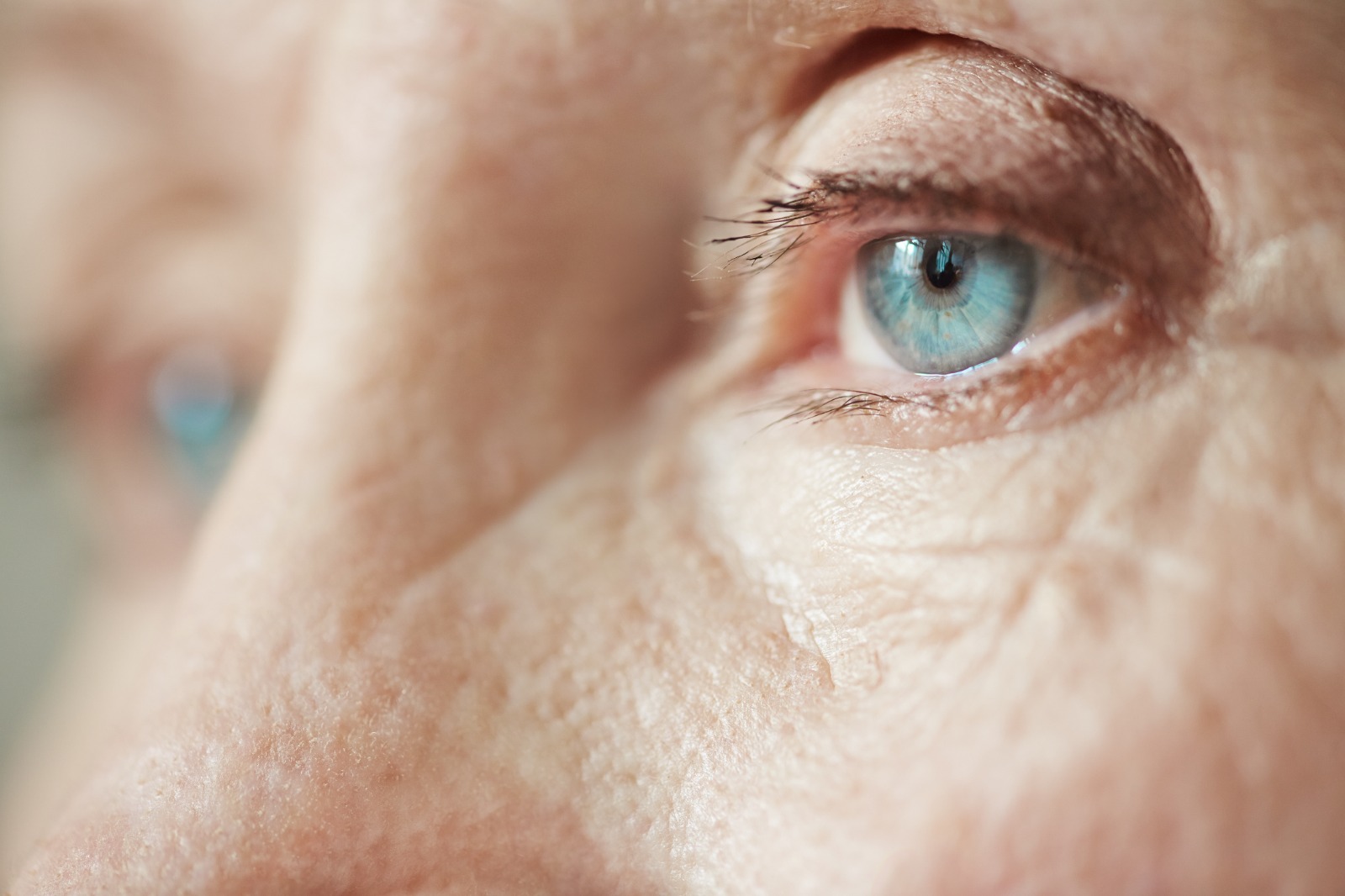
Why glaucoma is called the silent thief of sight
Glaucoma describes a group of conditions that damage the optic nerve, the structure carrying visual information from the eye to the brain. The most common form, primary open-angle glaucoma, often develops gradually and without pain. A person can read, drive, and feel that their eyesight is normal while subtle areas of peripheral vision are being lost. Because the brain compensates for missing visual information, these changes may go unnoticed for years.
What happens inside the eye?
The eye continually makes and drains a clear fluid called aqueous humor. When drainage is insufficient, pressure inside the eye may rise. Elevated eye pressure is a major modifiable risk factor, but it is not the whole story: glaucoma can develop at statistically normal pressures, and many people with elevated pressure never develop optic nerve injury. The diagnosis therefore depends on a broader assessment, not one pressure reading.
Who should be especially attentive?
Risk generally increases with age. People with a family history of glaucoma, African Americans over age 40, and some other higher-risk groups should discuss appropriate screening intervals with an eye care professional. Previous eye injury, certain eye conditions, and prolonged corticosteroid exposure may also influence risk. Having a risk factor does not mean that glaucoma is inevitable; it means that individualized surveillance matters.
What does a comprehensive glaucoma evaluation involve?
An examination may include eye pressure measurement, a dilated assessment of the optic nerve, optical coherence tomography (OCT) to evaluate nerve tissue, visual field testing to measure side vision, corneal thickness measurement, and inspection of the drainage angle. Not every test is needed at every visit. Your ophthalmologist interprets the pattern of findings over time and compares current results with your baseline.
Can lost vision be restored?
Glaucoma-related optic nerve damage is generally irreversible. The purpose of treatment is to reduce the risk of additional loss. Depending on the patient, eye drops, laser treatment, or surgery may be recommended to lower eye pressure. Following the agreed treatment plan and returning for periodic examinations are essential even when vision seems unchanged.
When should you schedule an exam?
If glaucoma runs in your family, you have been told your eye pressure is high, or you are overdue for a comprehensive dilated examination, ask an ophthalmologist about your personal risk and follow-up schedule. A sudden painful red eye with headache, halos, nausea, or rapidly worsening vision requires urgent medical assessment; that is different from the typical gradual course of open-angle glaucoma.
Next step: Have questions about your eye health or whether you need a comprehensive examination? Contact Bohonos Eye Care at office@bohonoseyecare.com or 210-729-0544 for general scheduling information. Do not use email for emergencies.