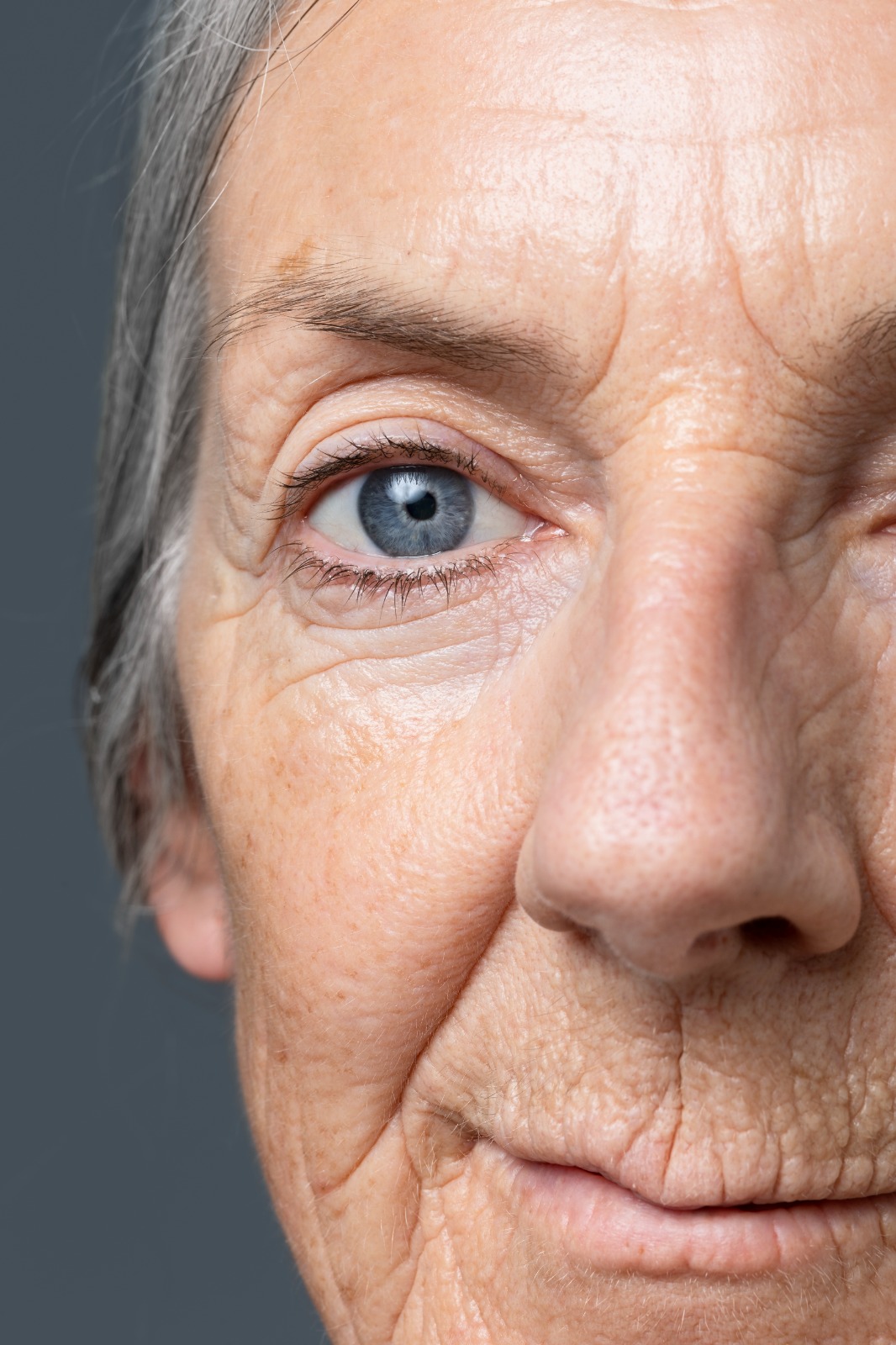
What is a cataract?
The eye’s natural lens focuses light onto the retina. A cataract develops when that lens becomes cloudy, scattering light and reducing image quality. Cataracts become more common with age, although they can also occur earlier after eye injury, certain medications, or other medical conditions. A cataract is not a film growing over the surface of the eye.
What changes might you notice?
Common symptoms include cloudy or blurry vision, increased glare, halos around lights, fading colors, and difficulty reading or driving at night. Some people notice frequent changes in their glasses prescription. Symptoms develop gradually for many patients, so comparing current abilities with how you functioned a year ago may be informative.
Is surgery based on a specific vision number?
Not solely. The decision usually depends on whether the cataract is meaningfully affecting activities important to you and whether surgery is expected to improve function. A patient who struggles with night driving may have different needs than someone whose principal concern is reading fine print. Your ophthalmologist will also consider other eye diseases that may limit postoperative vision.
What happens during the procedure?
Cataract surgery usually removes the clouded natural lens and replaces it with a clear artificial intraocular lens. Before surgery, measurements help select an appropriate lens. Different lens options may involve trade-offs involving glasses dependence, nighttime visual symptoms, and other eye conditions. Your surgeon should explain which options fit your eye health and goals.
What are the risks and recovery considerations?
Cataract surgery is common and often highly effective, but no operation is risk-free. Infection, inflammation, retinal problems, and residual refractive error are among the issues your surgeon will discuss. Patients typically use prescribed drops and attend postoperative visits. Follow the individualized restrictions and report unexpected pain or reduced vision promptly.
When might waiting be reasonable?
If a cataract is mild and daily activities are still comfortable, a prescription update or observation may be appropriate. If the cataract prevents adequate examination or treatment of another eye condition, surgery may be discussed for that reason as well. The best time is a shared decision based on symptoms, examination findings, and your preferences.
Next step: Have questions about your eye health or whether you need a comprehensive examination? Contact Bohonos Eye Care at office@bohonoseyecare.com or 210-729-0544 for general scheduling information. Do not use email for emergencies.